Dead Sea vs Aqaba: Which Should You Visit (and Can You Do Both)?
The Dead Sea is for floating, therapeutic mud and spa relaxation near Amman; Aqaba is for diving, coral reefs, real beaches and warm winter sun down south. Here is when to choose each, and how to do both.
GoDiyar editorial8 min readUpdated
Dead Sea or Aqaba: the short answer
Choose the Dead Sea for effortless floating, mineral-rich mud, spa resorts and pure relaxation, an easy day trip or short overnight near Amman. Choose Aqaba for diving and snorkeling on coral reefs, real beaches and warm winter sun, but it sits far south near Wadi Rum. The first is for wellness; the second is for the sea and water adventure.
In short: the Dead Sea is a quick relaxation hit close to the center, while Aqaba is a full beach holiday worth several nights. If time is tight and you must pick one, the Dead Sea is easier and closer, and Aqaba is richer for sea lovers and water activities.
What makes the Dead Sea special?
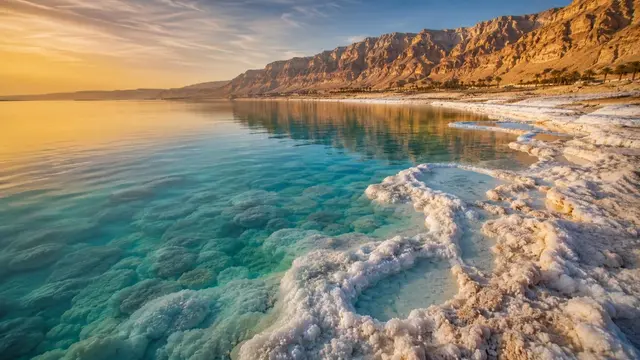
The Dead Sea is the lowest land point on the surface of the Earth, about an hour from Amman via the Dead Sea road. Its extreme salinity lets you float effortlessly on the surface, an experience you find in few other places. The mineral-rich black mud has been prized for its skin benefits since antiquity, and the great depth below sea level means oxygen-rich air and reduced ultraviolet radiation, which have helped make it a globally known wellness destination.
The waterfront is concentrated in the resort strip along the Dead Sea road, mixing hotels and spa resorts with chalets and private-pool villas that overlook the water. The mood here is calm and restorative rather than a classic beach scene, because the water is dense and salty and you do not swim in it the way you would in an ordinary sea.
Practical tips: the sun is strong and the salt stings. Bring water shoes and sunscreen, avoid shaving beforehand, and never dunk your head or get the water in your eyes. Ten to fifteen minutes in the water is plenty, then rinse thoroughly with fresh water. This experience suits a single day or a one-to-two-night stay, not much more.
What makes Aqaba special?
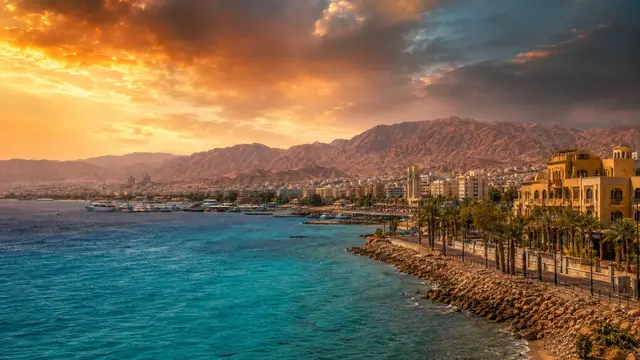
Aqaba is Jordan's only coastal city, on the Red Sea at the far south. Here you find living coral reefs, colorful marine life and excellent diving and snorkeling spots, plus real beaches and water that stays warm most of the year. Unlike the Dead Sea, you actually swim here and do water sports.
Aqaba's biggest advantage is its warm, sunny winter: while Amman and the north turn cold, Aqaba stays mild and beach-friendly, which makes it a favorite winter destination for Jordanians and Arab visitors. Diving near the southern reefs and wreck sites is a headline activity, with glass-bottom boat trips for those who do not dive.
Aqaba's southern location makes it a natural gateway to nearby Wadi Rum: many travelers pair beach nights in Aqaba with a night in a desert camp. Stays range from waterfront resorts to apartments, chalets and family villas, and it is a holiday that deserves several nights rather than a single day.
Which one suits you? By trip type
Choose the Dead Sea if you want: relaxation and wellness, a calm day or a short overnight, the floating-and-mud experience, or a base close to Amman and Madaba to round out a central loop. It is ideal for couples, anyone seeking quiet, and travelers with limited time who do not want a long drive south.
Choose Aqaba if you want: a genuine beach holiday, diving, snorkeling and water sports, warm winter weather, or a family or group gathering that runs several days. It is the better fit for sea-and-activity lovers and for anyone planning to link it with Wadi Rum and Petra in a southern loop.
On distance the difference is decisive: the Dead Sea is close to Amman (about an hour), while Aqaba is at the far south and several hours by car from Amman. That alone may settle the choice if your trip is short. Confirm actual drive times before you travel.
Can you visit both on one trip?
Yes, and the two combine well because both lie south and west of Amman and fit a single southern loop. Mind the roads, though: you reach the Dead Sea via its own Dead Sea road west of Amman, while the Desert Highway links Amman to Aqaba through the eastern center, passing near Wadi Rum. Plan your route so you do not double back north twice.
A comfortable suggested order: start in Amman, drop to the Dead Sea for an overnight or relaxation day, then continue south to Petra and Wadi Rum, and finish in Aqaba for several beach nights before returning. This way you progress from the center toward the far south in a logical line.
Alternatives by time budget: for a short trip, just do the Dead Sea as a day trip from Amman and save Aqaba for a future visit. For a longer trip, give the Dead Sea one or two nights and Aqaba three or more nights with Wadi Rum. GoDiyar's free trip planner helps you sequence days and stays around your time and group.
Best seasons for each destination
The Dead Sea is mild in spring and autumn, very hot in summer (being the lowest land point on Earth), and pleasant by day in winter. Spring (March to May) and autumn (September to November) are best for combining the water and the resorts without extreme heat.
Aqaba is Jordan's winter destination par excellence: its winters are warm and sunny while the rest of the country cools down, making roughly November to March ideal for anyone wanting the sea in the cold season. Its summer is very hot but the water stays refreshing, and spring and autumn are mild and excellent for diving.
Bottom line: if you travel in winter and want the sea, Aqaba is the clear choice. If you travel in spring or autumn, both are great and easy to combine in a single southern loop. Always check the forecast before you go.
Where to stay: what to expect in each
At the Dead Sea, stays cluster in the waterfront resort strip and include hotels and spa resorts alongside chalets and private-pool villas overlooking the water, a favored option for families and groups who want privacy, a kitchen and space. The character is restful and wellness-oriented.
In Aqaba, options range across beach resorts, apartments near the seafront and family villas and chalets, suited to longer stays and gatherings of family and friends. Proximity to the sea and water activities is what defines staying here.
On GoDiyar, an Arabic-first Jordanian platform, you compare stays in both destinations with clear pricing in Jordanian dinars, reviewed listings, request-based booking and on-platform messaging. You can filter by property type (private-pool villas, chalets, apartments) and area, which fits the local market and Arab visitors looking for a family or group holiday.
Dead Sea vs Aqaba: a quick comparison
| Aspect | Dead Sea | Aqaba |
|---|---|---|
| Distance from Amman | About 1 hour by car (~60 km) | About 4 hours by car, or a short domestic flight |
| Signature experience | Effortless floating and mineral-rich mud | Diving, snorkeling and Red Sea coral reefs |
| Water | Hypersaline, for floating only (no swimming) | Red Sea water, swimming and watersports |
| Best season | Spring and autumn (summers are very hot) | Autumn to spring, with a warm winter ideal for diving |
| Scenery | Desert cliffs and the lowest point on Earth | Beaches, mountains and coral reefs |
| Best for | Wellness, relaxation and a quick escape from Amman | Divers, beach holidays and the Red Sea |
Frequently asked
If time is tight or your trip is based near Amman, the Dead Sea is easier and closer and needs only a day or a short overnight. If you love the sea, diving and beaches, or you travel in winter, Aqaba is the richer choice but it deserves several nights.
Yes. Both lie south and west of Amman, so you can drop from Amman to the Dead Sea via its own road, continue south to Petra and Wadi Rum, and finish in Aqaba for several beach nights, in a logical line without doubling back north twice.
Aqaba is in Jordan's far south, several hours by car from Amman via the Desert Highway, while the Dead Sea is close to Amman (about an hour) via the Dead Sea road. This distance gap is a key factor when planning a short trip. Confirm current drive times before you travel.
No. The Dead Sea water is dense and extremely salty, so you float on the surface rather than swim, and the experience is a few minutes of floating and mud followed by a rinse. Aqaba is a real sea where you swim, dive and do water sports.
Aqaba is Jordan's favorite winter destination because its weather stays warm and sunny (roughly November to March) while the rest of the country cools down. Spring and autumn are mild and excellent for diving, and summer is very hot but the sea is refreshing.
GoDiyar is an Arabic-first Jordanian platform that shows stays in both destinations with clear pricing in Jordanian dinars, reviewed listings, request-based booking and on-platform messaging. You can filter by property type and area, and use the free trip planner to sequence your days if you decide to do both.