

Destinations in Jordan
Jordan’s main destinations are Amman (the capital and arrival hub), the Dead Sea (the lowest point on Earth, about an hour from Amman), Petra and Wadi Rum in the south for ancient ruins and desert, Aqaba on the Red Sea, and the green north (Jerash, Ajloun and Madaba) for Roman heritage and nature.
Jordan packs an extraordinary amount of history and landscape into a small, welcoming country. This is the land of Petra, the rose-red Nabataean city carved into desert cliffs and counted among the New Seven Wonders of the World, and of Jerash, one of the best preserved Roman provincial cities anywhere. Float effortlessly on the Dead Sea, the lowest point on Earth, then sleep under the stars in the red sands of Wadi Rum, the desert valley that has stood in for other worlds in film after film.
Down south, Aqaba opens onto the Red Sea with warm water and coral reefs, while Amman, the modern capital, mixes ancient citadel ruins with lively cafes and markets. What ties it all together is the famous Jordanian hospitality and a country that is compact and safe to travel, with major sights only a few hours apart. You can stand among Roman columns in the morning and watch the sun set over the desert the same evening.

Known as the City of Mosaics, Madaba holds one of the great treasures of the Holy Land: the 6th-century mosaic map of Jerusalem and the surrounding region, set into the floor of St George's Church. The town wears its layered Christian and Muslim heritage easily, with mosaic workshops and old stone churches threaded through its streets. Just beyond, Mount Nebo rises over the Jordan Valley, the windswept ridge where Moses is said to have looked out across the Promised Land.

Built into the hills in honey-coloured limestone, As-Salt is one of Jordan's most quietly rewarding towns, its Ottoman-era houses and steep historic staircases earning it a place on the UNESCO World Heritage list. The Saraya overlooks a centre still shaped by old merchant mansions, while the restored Abu Jaber House traces the era when the town traded freely across the region. Long known as a place of tolerance and everyday urban hospitality, As-Salt rewards travellers who prefer atmosphere and architecture over crowds.

Carved into rose-gold sandstone, Petra is Jordan's crowning wonder and a UNESCO World Heritage Site reached on foot through the towering Siq canyon. The walk opens onto Al-Khazneh, the Treasury, before trails climb past tombs and a Roman theatre to the vast Monastery, Ad-Deir. The base town of Wadi Musa puts you within minutes of the gates, well placed for an early start or the candlelit hush of Petra by Night.

Known as the Valley of the Moon, Wadi Rum unfurls as a vast desert of rust-red sand pierced by towering sandstone and granite jebels. Bedouin camps offer 4x4 runs between the rock formations, camel rides past natural arches like Umm Fruth, and some of the clearest stargazing in the region. This is the landscape that drew Lawrence of Arabia and later stood in for Mars on screen, and it still feels just as otherworldly up close.
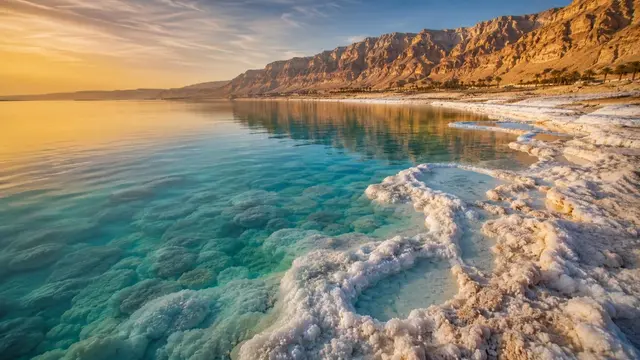
At roughly 430 metres below sea level, the Dead Sea is the lowest point on Earth, where hypersaline water lets you float without effort and dark mineral mud draws spa-goers to the resort strip at Sweimeh. Sunsets here turn the water and the hills of the West Bank rose and gold, while the Mujib Biosphere Reserve and nearby hot springs put canyon hikes and warm soaks within easy reach. It is a place to slow down, soak, and let the landscape do the talking.
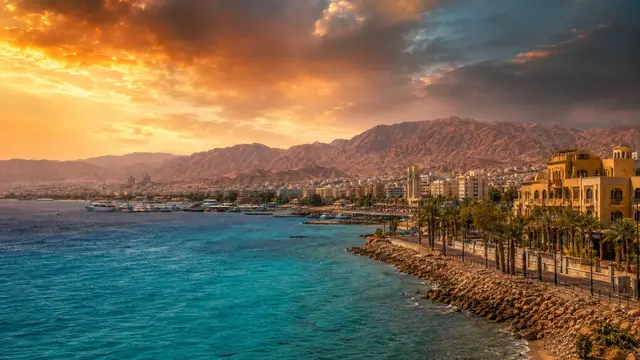
Jordan's only window onto the sea, Aqaba trades desert for coral, with some of the Red Sea's most accessible diving and snorkelling right off its shores. Days drift between the reefs, the palm-lined waterfront of Ayla lagoon and the Ottoman-era Aqaba Castle, while the tax-free zone keeps things easy and unhurried. It is the natural soft landing before or after the road to Wadi Rum and Petra.

Jordan's capital unfolds across a tumble of hills, where the Roman Theatre and the ruins of the Citadel at Jabal al-Qal'a look down on a downtown of busy souks and coffee houses. Mornings belong to the old city's spice stalls and stone stairways, while evenings drift toward Rainbow Street's cafes and the polished restaurants of Abdoun. It is an unhurried, layered city break that rewards travelers who linger.
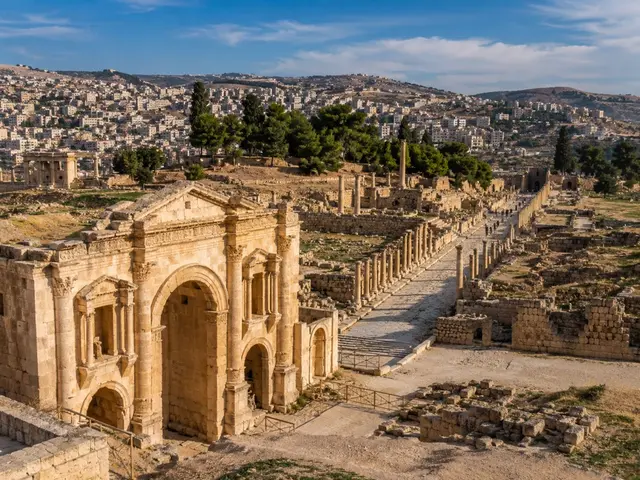
Jerash holds one of the best-preserved Roman provincial cities anywhere, where you can walk the colonnaded Cardo, stand inside the sweeping Oval Plaza, and pass beneath Hadrian's Arch as the locals have for centuries. The hillside Temple of Artemis and two surviving theatres give the ruins a scale that still feels lived-in rather than fenced off. Each summer the Jerash Festival fills these ancient stages with music, turning the stone city into a working venue once more.
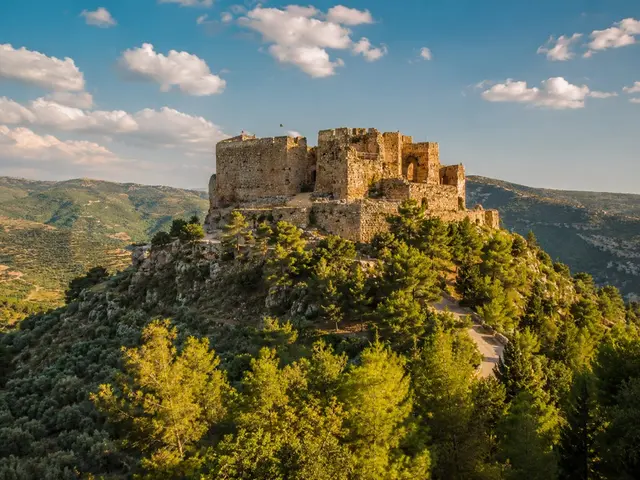
Ajloun rises through the green northern highlands of Jordan, where oak and pistachio forests fold over cool, mist-touched hills. Crowning one of its summits is Ajloun Castle, the 12th-century Ayyubid fortress of Qal'at ar-Rabad raised by Saladin's forces to guard the region. Below it the Ajloun Forest Reserve threads quiet trails through woodland that feels worlds away from the desert most travelers picture.

Jordan's lively northern university city wears its youth easily, with a cafe culture that fills the streets around Yarmouk University late into the evening. It is also the gateway to the green Decapolis country: the hilltop ruins of Umm Qais (ancient Gadara) look out over the Sea of Galilee and the Golan Heights, while the olive-shaded terraces of Pella trace one of the region's oldest continuously settled sites.

Just 15 to 30 minutes south of Amman, the farms and chalets strung along the Airport Road corridor near Qastal, Jiza and Umm Al-Amad have become the capital's go-to escape into open country. Days here run slow and private: a pool to yourself, olive groves and grapevines, long lunches under the shade, with the eighth-century Umayyad palace at Qastal a short detour away. It is the easiest swap of city walls for fresh air in Jordan, close enough for a single afternoon yet quiet enough to stay the weekend.
Best time to visit Jordan
Spring, from March to May, and autumn, from September to November, are the ideal seasons, with mild days that are comfortable for exploring Petra, Jerash, and Wadi Rum. Summers are hot across most of the country, though Aqaba and the Dead Sea stay warm and pleasant in winter when the highlands turn cool. Keep in mind that desert nights can get cold year-round, so pack a warm layer for evenings in Wadi Rum.
Getting around
Renting a car is the easiest way to explore Jordan, since distances are short and the road network is straightforward, making Amman a natural base for day trips and longer loops. The Desert Highway is the fast, direct route south toward Aqaba, while the scenic Kings Highway winds past castles, canyons, and historic sites for travelers who prefer the slower, more memorable drive.
Why book with GoDiyar
Reviewed listings
We review every listing before it’s published, tag properties with confirmed photos, and clearly mark the rest as samples.
On-platform booking
Request to book in JOD; we connect you with your host after we confirm, no charge upfront.
Clear pricing
Every price is shown in full in JOD (fees and deposit included) before you book. No hidden charges.
Local support
A Jordanian team has your back before and during your trip.
Jordan travel FAQ
We are starting with a small, confirmed set of stays rather than a long list we cannot stand behind, so two stays are bookable today: a private-pool villa in the hills of As-Salt and a Ma'in mountain chalet in Madaba overlooking the Dead Sea, both suited to families and couples. Browse the page to see the destinations that are live now, and new cities appear automatically as stays join them. Every listing is reviewed before it goes live, and the ones carrying a 'Real photos' badge have had their actual photos verified, so you always know what you are booking.
Families tend to choose villas and farms with private pools and space to spread out, common around Amman, the Dead Sea, and Airport Road for easy arrivals. Couples often prefer quieter, more private stays such as a Dead Sea chalet with a view, an Aqaba villa near the beach, or a forest chalet in Ajloun. On GoDiyar you can filter by city, property type, and amenities like a private pool, and each listing notes whether it suits families, couples, or small groups. Booking and payment in JOD happen on the platform before we connect you with the host.
Jordan is a well established travel destination and is generally welcoming and straightforward for first-time visitors. Many Jordanians speak some English, signage at major sites is bilingual, and getting between the main destinations is simple by car or arranged transfer. A simple safeguard is to book and pay in JOD on GoDiyar rather than off-platform: listings are reviewed before they go live, the price is shown in full with no hidden fees, and after the host confirms we connect you directly on WhatsApp to coordinate check-in.
A focused trip covering the main highlights usually takes about five to seven days. A practical split is one or two days in Amman with a day trip north to Jerash and Ajloun, one or two days at the Dead Sea, a full day or overnight at Petra, a night under the stars in Wadi Rum, and time in Aqaba if you want the Red Sea. With more than a week you can slow the pace and add nature reserves and hot springs. You can base yourself in a GoDiyar property in each region and book the whole route on the platform in JOD.
Yes, these three sit along a natural south-bound route and are commonly combined in a single trip. A simple way to route them is to start at the Dead Sea, drive south to Petra for a full day, continue to Wadi Rum for a desert night, and then finish in Aqaba on the Red Sea before flying out or driving back. The drive between each leg is manageable in a few hours. You can book a stay near each stop on GoDiyar, pay in JOD, and we connect you with each host to plan your arrival.
You browse villas, chalets, and farms by destination, choose your dates, and request to book directly on GoDiyar. You pay in Jordanian Dinar, with the full price shown clearly before you confirm and no hidden fees. Once your request is placed the host confirms it, then we connect you on WhatsApp so you can coordinate check-in and any questions. Listings are reviewed before they go live, and those with confirmed real photos carry a 'Real photos' badge; keeping booking and payment on the platform is the safest way to arrange your stay.